Spotting pests in your home can turn from a minor annoyance to a major worry in no time. Ants in the kitchen, cockroaches become more visible at night, rodents scuttling along the roofs, seasonal pests in a home environment increasingly difficult to get a grasp on. Most homeowners are asking the same question: how long will they be here? There are several factors that determine how long the pests will be eliminated, including the type of pest, the extent of the infestation, the treatment used, and the degree of compliance with post-treatment instructions.
Elite professional pest control services are capable of addressing a home or a business not only to fix the present outbreak, but also to make provisions for the long-term prevention of pests. All the latest therapeutic approaches are focusing on how even the most rapid action needs to be combined with long-term control and daily life safety in the home.
For Australian homes exposed to fluctuating weather and seasonal pest pressures, knowing when the treatments will be over is helpful in setting more realistic expectations for better results.
| 1. Understanding Treatment Timelines |
| 2. Factors That Affect Speed |
| 3. What Happens During Treatment |
| 4. Why Results Vary By Pest |
| 5. Keeping Pets Protected |
| 6. Supporting Faster Results |
| 7. Preventing Future Infestations |
| 8. Conclusion |
Understanding Treatment Timelines
One of the biggest myths about pest control is that all pests vanish right after the treatment. Insect velocity depends on the behaviour of the pest and the weather. So, after treatment, some infestations noticeably improve in a matter of hours or days, and others will be observed with additional visits. Pest control professionals are concerned with drastic immediate reductions as well as eventual total control. For instance, ants can seem to be more active at first after treatment as colonies are disturbed and before they start to dwindle in numbers. Rodents may also be treated with monitoring periods, whilst cockroach populations often decline progressively over a series of treatments. It is this understanding that homeowners should have to keep them patient while treatments are working.
The table below provides a general overview
| Pest Type | Typical Time To Notice Improvement |
| Ants | Several days |
| Cockroaches | Days to a few weeks |
| Rodents | One to several weeks |
| Spiders | Often within days |
| General household insects | Varies by treatment |
Actual timing depends on infestation size and property conditions.
Factors That Affect Speed
Every nest operates differently. The length of treatment is largely dependent on the number of pests present. A small population is usually easier to manage because the pests have had less time to set up breeding sites. The size of the property will also have an impact on delivery rates. Large homes naturally have more potential hiding places and routes of travel. Weather may additionally influence results in Australia. Warm weather may increase pest activity, and rain may affect where pests move. Pests will find food and shelter in your home as long as you have an unkempt household. Leaving food uncovered, leaving lots of clutter lying around, or avoiding routine maintenance of your home will give pests ideal conditions to thrive. So professional pest control providers factor these issues when suggesting timeframes for the treatments.
What Happens During Treatment
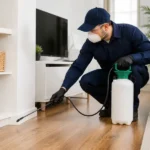
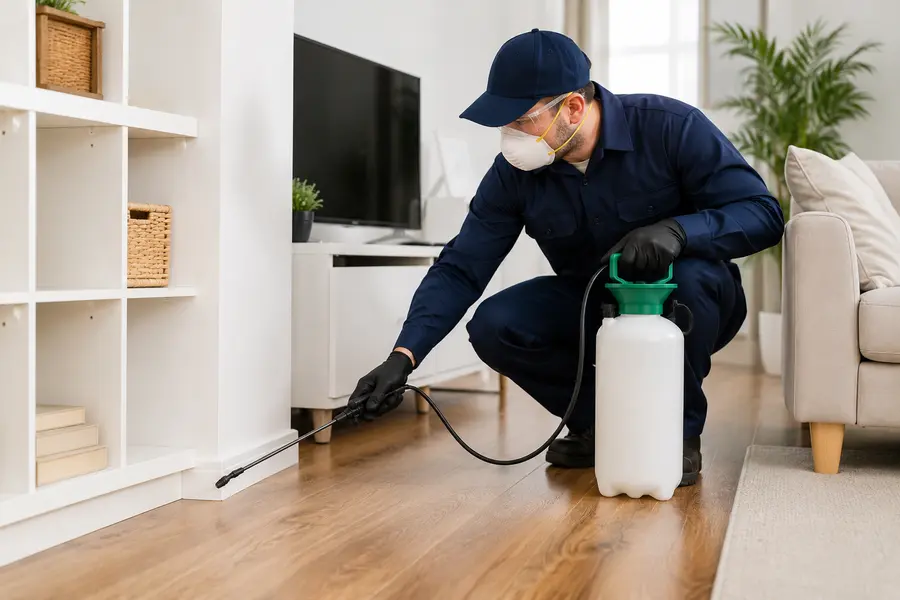
Many homeowners expect extermination to be a matter of stop in, spray, and get out. Pest control these days is often more intricate than that. Technicians typically start with a home inspection in the area of activity, then locate points of entry, sources of moisture, and they also assess the condition of the home. When the inspection is over, the treatments targeted at locations where there’s activity and potential pathways of movement are applied.
That may involve treatment barriers, internal treatments, monitoring systems, and even suggestions for continuing prevention measures. Working with expert pest specialists helps ensure that inspections and treatment plans are tailored to the specific conditions of the property for more effective results. The aim is not just to kill pests you can see, but it is also to disrupt their breeding and prevent them from entering again after treatment has been completed. Recommendations made after the initial treatment usually have the greatest potential for long-term pest control success.
Why Results Vary By Pest
Each type of pest reacts in a different way to the treatment. Some species have fast movement through the treated areas and get the impact of the treatment at the earliest. Whereas others who hide will need a period of time before the contact happens. Cockroaches, for instance, prefer living in hiding spots; they may still be active for a short time before the population decreases. When it comes to rodents, initially they may avoid the changes, and it will be necessary to keep them under control before the complete effect is revealed. Ants, however, will still be moving for some time even after the colony’s structure is falling apart. This is one of the reasons why pest exterminators hardly ever guarantee the same durations for extermination at different houses. Usually, being patient and adhering to good household habits lead to better results.
Keeping Pets Protected
For many Australian households that have pets, safety remains a major concern while carrying out the treatment. Pets being a part of the household, owners often inquire whether the pest control treatment can be done safely in the presence of animals. Today, several treatment providers worldwide choose and offer products and chemicals that can make the environment safe for pets even during and after a pest control procedure, besides ensuring its effectiveness in controlling pests.
Usually, the experts instruct the customer on temporary prohibition of the room, ventilation measures, drying time, and cleaning recommendations after the treatment is performed. Before starting the treatments, discussing the pets makes room for the technicians to choose the right methods appropriately by the technicians. The householders must carry out all the aftercare instructions and restrict the pets from getting into the treated areas until the designated time is over or the areas have been set. Planning is the way to go to support household comfort and treatment effectiveness at the same time.
Supporting Faster Results
Treatment is most effective when the homeowner cooperates with the process. Preparation prior to service and aftercare can affect the speed at which gains are seen. Simple household habits can make a big difference. Decluttering hides; cleaning might remove hiding places. Food storage management may also reduce attraction. Moisture control may deter pests. Cleaning regularly can help keep the treatment working. Professional pest control services are even more effective when you apply practical household maintenance. Incremental improvements can often strengthen longer-term gains.
The table below outlines common actions and their benefits.
| Household Action | Potential Benefit |
| Store food properly | Reduces attraction |
| Clean high-use areas | Supports treatment |
| Reduce clutter | Limits hiding places |
| Repair entry points | Discourages return |
| Follow aftercare guidance | Improves outcomes |
These habits can make a noticeable difference over time.
Preventing Future Infestations
Getting rid of pests is just one aspect of ensuring a pleasant home. Preventing pest problems over time greatly diminishes the likelihood of needing re-treatment and having the problem persist. You will be able to quickly detect any possible pest problems if you regularly walk through your house inspecting all areas of your property. Also, inspect your yard regularly for the same signs. A diligent pest prevention program that includes inspecting your home for pests, maintaining good housekeeping practices, and cleaning will create a very successful pest prevention plan by controlling moisture and sealing up any structural cracks. Naduvans who have the habit of following preventive measures regularly have fewer problems with pests getting reincarnated. Besides, professional pest control services can spot issues that are hardly recognisable in your daily life.
Conclusion
If you see pests, the first thing that springs to mind will probably be getting rid of them at once, but usually, an effective control step involves more than just one treatment, and in many cases, a combination of professional knowledge and household cooperation is required to achieve the best results. Professional pest extermination services mostly focus on not only eliminating the current pests, but also restricting their future activities and providing a long-term protective environment rather than offering just a temporary solution.
Just as preventive maintenance helps reduce pest risks, addressing moisture-related issues discussed in the outdoor rug mould problem in queensland prevention and cleaning guide can also support a cleaner and healthier home environment. The treatment time will depend really on the kind of pest, severity of the infestation, the condition of the house, and the aftercare service. Households that give priority to a pest control method that is safe for pets as well should have thorough communication and proper post-treatment care that can help ensure both safety and good results. By having down-to-earth expectations and continuing prevention, property owners can get rid of pests, design spaces that are nicer and cleaner and lower the risk of pests coming back.