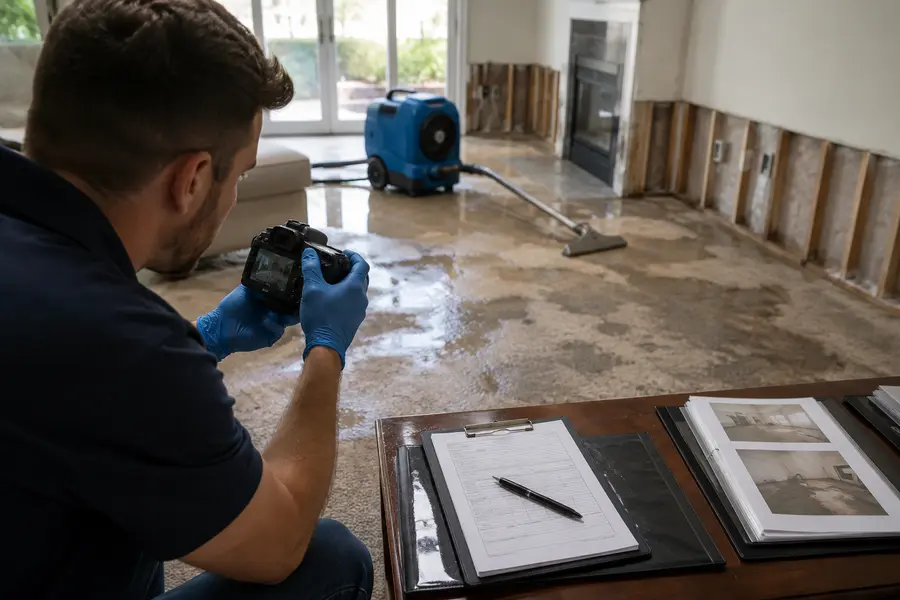
Cleaning Services: Insurance Claim Documentation
When sudden events like floods, fires, storms, or water leaks cause damage to your home, the cleaning up can rapidly become more than you bargained for. In addition to rebuilding your home or business, you need adequate paperwork to file your insurance claim. Many Australians all too immediately concentrate on cleaning and do little else, cleaning is important but so is documentation. This can cause delays, disputes or diminished claim payments. Documenting insurance claim cleaning from day one assists insurers in recognizing the damage and work done. Keep good records, photographs, invoices and reports and you may speed up the claims process and protect your financial interests in the aftermath of a stressful event.
|
|
|
|
|
|
|
|
Why Documentation Matters
Evidence is what insurance companies rely on when deciding to pay a claim for building repairs and professional cleaning. When was the damage done to the cleaning insurance claim? It shows you took steps to stop further damage, a requirement in many Australian insurers’ policies. Detailed records establish a timeline, which can back your claim if you’re questioned later on. Well-organised records of property damage clean up help minimise confusion between property owners, insurers, assessors and cleaners, and make the process of the claim as stress-free as possible, for all involved.
| Documentation Type | Why It Is Important |
| Before and after photos | Shows the extent of damage and completed cleaning |
| Cleaning invoices | Confirms professional services performed |
| Inspection reports | Supports damage assessment |
| Communication records | Tracks insurer and contractor discussions |
| Receipts | Verifies replacement or cleaning expenses |
Essential Records To Keep
Maintaining well kept records of the property damage cleaning from day one can impact your adjuster significantly when it comes time for inspection. Save all invoices, quotations, inspection reports, receipts and e-mail correspondence relating to the cleaning. Note the dates of each phone call with your insurance company and your contractors. If you had to clean up immediately for any reason, state the reasons for the urgency. Take photos before you begin cleaning, during the restoration process, and when finished. These reports constitute critical proof that your insurance claim cleaning document survives while keeping the prospect of delays or even for more information at bay.
Photograph Every Damaged Area
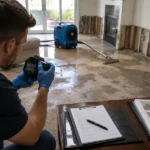
Photos are often the best proof to have when making an insurance claim. Capture clean pictures from all the rooms that will be cleaned before any of them begin. Make close-ups of carpets, furniture walls, ceilings, floors and personal things that have stains in them. The use of a wide-angle lens is great for capturing the condition of each room overall. Keep photographing during clean-up and after restoration. Time-stamped photos make the insurance claim cleaning record more credible by providing a visual timeline to complement the written reports and professional property damage cleaning documentation provided by your cleaning company.
Working With Cleaning Experts
Professional cleaners are familiar with what documentation insurers require and they can typically send invoices, moisture reports, cleaning summaries, and completion certificates. Working with certified cleaning professionals also helps ensure that documentation is complete, accurate, and prepared in a format that insurers can easily review during the claims process. The fact that you have hired professionals means the descriptions in your insurance claim cleaning documentation of work performed are more likely to be accurate. Many Australian restoration companies will also liaise directly with your insurance assessor if required. Reports may also detail the kind of devices utilized during the process, different ways of sanitizing, periods required for the objects or fabrics to dry fully, methods of chemical application and recommendations for additional restoration work.
| Professional Record | Benefit During Insurance Claim |
| Detailed invoice | Confirms service costs |
| Cleaning report | Explains work completed |
| Moisture readings | Supports water damage claims |
| Completion certificate | Confirms restoration finished |
| Technician notes | Provides additional evidence |
Avoid Common Documentation Errors
Many insurance claims are held up due to absence of or incomplete information. A simple error is to discard damaged goods before they have been inspected by an assessor or before photographs have been taken. Another mistake is misplacing receipts or not keeping a record of the cost of emergency cleaning. Do not edit photographs or combine documents from different claims. Save digital backups of all hold paperwork in cloud storage as well as print copies. Robust insurance claim cleaning documentation is still well organised, accurate and clear which means that it is easier for the insurer to efficiently review your property damage cleaning records.
Organising Your Claim Files
If you keep all the documents for your claim together in one place, the insurance claim process will not be a hassle for you. Create separate folders for photos, invoices, adjuster reports, communications, and receipts. Use Clear Names for your digital files so you can find your information later. Have a simple checklist that indicates what documents you have already submitted and what documents are still needed. Properly organised documentation cleaning for an insurance claim looks professional and prevents unnecessary chasing. Transparent property damage clean-up records can also assist if the question of additional data arises months after the initial event.
Supporting Faster Claim Approval
Comprehensive documentation does not guarantee approval of claims, but it frequently assists insurers in making quicker determinations. The assessor can then confirm the damage, the clean you have done and the associated costs without unnecessary delay. You should promptly provide whatever additional information is requested and keep an open line of communication with your insurer throughout the process. Full service cleaners that provide full reports also help to strengthen the insurance claim clean documentation. In conjunction with detailed property damage clean up records, these papers form a dependable package which helps in expediting decisions and avoids unnecessary hassles.
Final Thoughts
There’s no need to add on the stress of dealing with insurance. What does it mean to prepare comprehensive insurance claim related cleaning documentation from the beginning? Photographs, invoices, reports, and good records of your property damage cleaning can help make the insurance process easier. Specialty cleaning companies may also provide additional documentation to support your application. If your property damage also involves pest activity after floods or water damage, understanding how fast can pest extermination make your home pest-free? can help you plan the next stage of property restoration. By keeping good order and recording every phase of the clean-up, the property owners in Australia can safeguard their interests, minimize the delays they are forced to endure, and get back to restoring their homes or businesses with a little more confidence.